Hansik: Traditional Korean Cuisine with Fermented Foods & Bansang Style
Whether you're a curious traveler or a passionate K-pop fan, discovering the rich roots of Korea's culture will deepen your love for the country. Here are 30 timeless traditions that reveal the soul of Korea.
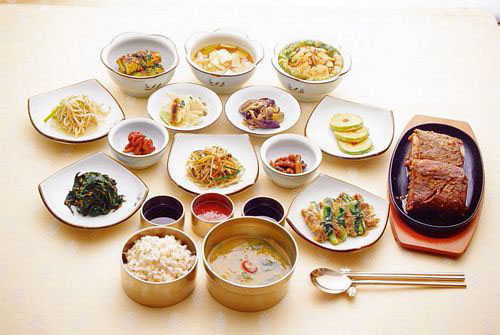
Photo: A traditional Korean meal setting known as bansang (반상차림).
🍚Hansik – Traditional Korean Cuisine
🍲 What is Hansik?
Hansik refers to the traditional food culture of Korea. Rooted in harmony with nature and seasonality, Hansik emphasizes fermented foods, rice-based meals, and a balanced assortment of side dishes.
📏 Core Principles
- Balance of yin and yang in ingredients
- Respect for natural flavors and minimal seasoning
- Focus on fermentation (e.g., kimchi, doenjang, ganjang)
- Rice (bap) as the centerpiece of every meal
🍱 Bansang – The Korean Table
The typical Korean table, or bansang, features a bowl of rice, soup or stew, and a variety of banchan (side dishes). Meals can range from simple everyday plates to royal court cuisine (surasang).
🧬 Health & Harmony
Hansik is known for its nutritional value and emphasis on gut health. Fermented foods and vegetables form the backbone of a diet rich in probiotics and antioxidants.
🌾 Seasonal & Regional Variations
Hansik reflects Korea's four seasons. Cold noodle dishes in summer (naengmyeon), hearty stews in winter (kimchi jjigae), and special regional styles like Jeonju bibimbap or Jeolla-do cuisine showcase its diversity.
📍 Where to Experience Hansik
Traditional restaurants, temple cuisine experiences, and Korean cooking classes are great ways to immerse yourself in Hansik. Cities like Seoul, Jeonju, and Andong are famous culinary hubs.
💡 Fun Facts
- There are over 200 types of kimchi served in Hansik meals.
- Hansik was inscribed on UNESCO’s list of intangible cultural heritage in 2013.
- Even Buddhist temples follow Hansik principles using plant-based ingredients.
💬 Final Thoughts
Hansik is more than food—it's a cultural expression of balance, respect, and health. Every bite tells a story of tradition passed through generations.
Comments
Post a Comment