✅ Kimchi – Korea’s Fermented Food Heritage
Discover Korea’s beloved side dish, rich in flavor, history, and health benefits.
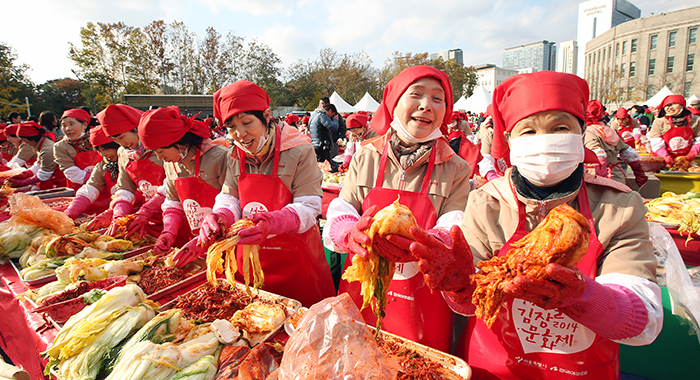
Photo: Kimchi being prepared in traditional Korean style for fermentation.
- 🥬 Kimchi is a traditional Korean fermented dish made from napa cabbage
Kimchi is a traditional Korean fermented dish made from napa cabbage, radish, and other vegetables. It is seasoned with chili powder, garlic, ginger, and salted seafood. Kimchi is served at nearly every Korean meal and is integral to Korean cuisine. It offers bold, spicy, and tangy flavors. Over 200 regional and seasonal varieties of kimchi exist in Korea. - 🧬 Health Benefits
Kimchi is packed with beneficial probiotics that aid in digestion and enhance gut health. Its high fiber content supports a healthy digestive system. It is rich in antioxidants and vitamins A, B, and C. Kimchi is low in calories and cholesterol. Regular consumption is linked to stronger immune function. - 📜 History & Cultural Significance
Kimchi dates back to Korea's Three Kingdoms period and evolved over centuries. The tradition of making kimchi, called gimjang, is a community event held before winter. It was added to UNESCO’s Intangible Cultural Heritage list. Kimchi-making is a symbol of family cooperation and cultural resilience. Its preparation methods vary by region and household. - 🍽️ Kimchi in Daily Life
Kimchi is served as a banchan (side dish) with almost every meal. It is used in many dishes like kimchi jjigae (stew), kimchi bokkeumbap (fried rice), and kimchi jeon (pancake). It provides bold flavor to simple meals. Its presence reflects the Korean appreciation for fermentation and seasonal cooking. Even modern Korean fusion dishes often feature kimchi. - 🖼️ Image & Symbol
Kimchi is a cultural icon representing Korean identity and resilience. It appears in artworks, documentaries, and international events as a symbol of Korean pride. Kimchi's vibrant red color and intricate preparation symbolize passion and harmony. The act of sharing kimchi reflects family values and community spirit. Its symbolism extends beyond food to represent the essence of Korean lifestyle and unity.
Comments
Post a Comment